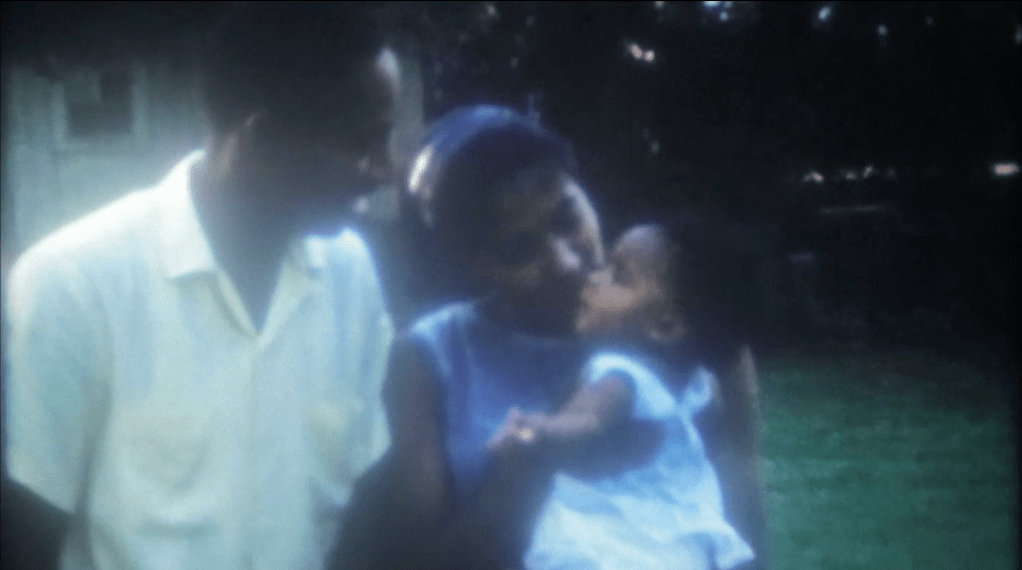
The biggest falsehood, the biggest lie that gets repeated is that the kind of disorganization and chaos, violence and self-destruction that we’re witnessing in the black community is somehow a legacy of slavery and Jim Crow. That is just a lie.
Robert L. Woodson
Introduction
The family unit is often regarded as the cornerstone of a thriving society, providing stability, guidance, and support to its members. However, the 20th century witnessed a gradual erosion of the traditional family structure, particularly within the Black community in the United States. This essay aims to explore the breakdown of the Black family from the early 1900s to 2020, highlighting the factors that have contributed to this decline and examining their long-lasting effects. Through the lens of history, quotes from prominent individuals, and key events, we will unravel the interconnectedness of government policies, absent fathers, crime rates, the war on drugs, and modern Black culture, shedding light on the importance of the family unit.
The War on Poverty and Daniel Patrick Moynihan
To comprehend the breakdown of the Black family, we must acknowledge the role of the War on Poverty initiated in the 1960s. This ambitious government program aimed to uplift impoverished communities through welfare provisions, but it inadvertently fostered unintended consequences. Daniel Patrick Moynihan’s seminal report in 1965, “The Negro Family: The Case for National Action,” highlighted the rising number of fatherless households among African Americans and warned about its potential consequences. Moynihan’s report emphasized the significance of intact families for community progress, recognizing the damaging effects of absent fathers on children’s well-being.
Government Subsidies and Absent Fathers
Government subsidies implemented to alleviate poverty inadvertently undermined the traditional family structure. Welfare policies offered financial support to single mothers, but they also created disincentives for fathers to be present in their children’s lives. As Larry Elder aptly stated, “Welfare destroys the incentive to marry or stay married.” The financial burden shifted from intact families to the state, leading to an increase in fatherless households and perpetuating a cycle of dependency on government assistance.
Increased Crime Due to Absent Fathers
The absence of fathers in the upbringing of children has had profound effects on crime rates within the Black community. Studies have consistently shown that children raised in single-parent households, especially those without paternal involvement, are more likely to engage in criminal activities. Thomas Sowell astutely remarked, “It is not poverty, but fatherlessness, that is a major cause of crime.” Absent fathers often leave children without positive male role models, increasing their vulnerability to societal influences that can lead to criminal behavior.
The War on Drugs and Absent Fathers
The war on drugs, initiated in the 1970s, disproportionately affected minority communities, particularly Black Americans. Mass incarcerations resulting from drug-related offenses further exacerbated the breakdown of the Black family. Imprisoned fathers were separated from their families, perpetuating the cycle of absent fathers and contributing to the erosion of the family unit. Denzel Washington poignantly stated, “It starts in the home. If the father is not in the home, the boy will find a father in the streets.” The absence of fathers due to incarceration created a void that could be filled by negative influences, leading to a perpetuation of criminal behavior and familial instability.
Modern Black Culture and Its Self-Destructive Nature
Modern Black culture, as shaped by various factors, including the breakdown of the family, has witnessed a shift away from values that promote family cohesion and stability. Influences from the media, music, and popular culture have often glorified individualism, materialism, and instant gratification, encouraging a self-destructive mindset. Terrence Floyd rightly stated, “We’ve seen a lot of deaths coming from people that look like me, but I didn’t see the outrage when we were killing ourselves.” The absence of strong family structures and positive role models has contributed to a culture that perpetuates violence, substance abuse, and a lack of accountability.
The Importance of the Family Unit
Throughout history, influential figures such as Martin Luther King and Morgan Freeman have emphasized the significance of the family unit within the Black community. Martin Luther King Jr. famously proclaimed, “The group consisting of mother, father, and child is the main educational agency of mankind.” Recognizing the fundamental role of families in fostering personal growth, King underscored the need for strong family structures to empower future generations. Morgan Freeman echoed this sentiment, stressing, “The best way to solve the problems in our community is to have strong families.” The family unit provides stability, love, and guidance, shaping individuals’ character and contributing to a thriving society.
Conclusion
The breakdown of the Black family throughout the 20th century has been a multifaceted issue with significant societal implications. The War on Poverty, government subsidies, absent fathers, increased crime rates, the war on drugs, and modern Black culture have all contributed to this decline. By understanding the interconnectedness of these factors, we recognize the importance of strong family structures and the detrimental consequences of their erosion. To address this issue, society must focus on policies that incentivize intact families, promote responsible fatherhood, and empower communities to foster an environment conducive to family stability. As Candace Owens aptly stated, “The black community has been used by Democrats as a political football far too long.” It is time to come together, support and uplift the Black family, and create a future where families thrive and communities flourish.
 Ruben on Right